

When most people think of fiber optic cable, they think of data transmission, high-speed internet and telecommunications. However, fiber optics also play an increasingly important role in modern residential and commercial lighting systems. From architectural accent lighting to smart building controls and harsh-environment illumination, fiber optic technology offers unique advantages that traditional copper wiring and electrical lighting solutions cannot match.
This article explores how fiber optic cable is used in building lighting and helps designers, integrators and facility managers unlock safer, more efficient and more creative lighting designs.
Additional information on fiber optic cable, fiber-based network switches and media converters, fiber tools and testers and more is available on the Future Ready Solutions website.
>
What is Fiber Optic Lighting?
Fiber-based lighting systems use optical fiber to transmit light from a remote source to a desired illumination point. Instead of generating light electrically at each fixture, the light is produced at a centralized illuminator and carried through fiber optic strands to the lighting endpoint.
It’s important to note that the fiber itself does not carry electricity—only light. This fundamental difference creates several benefits:
- No heat at the fixture
- No electrical power at the lighting point
- No risk of sparks or electrical shock
- Exceptional safety in sensitive environments
Additionally, fiber is also used for intelligent building lighting control — specifically for RS232, RS485, RS422 and IP signal distribution and extension. Control over twisted pair cable is often limited in distance and can be compromised by electromagnetic and RF interference. Fiber not only transmits signal miles without signal degradation, but it’s also immune to interference (especially sources of interference, ironically, caused by lighting systems).
>
Architectural and Decorative Lighting
One of the most common uses of fiber optic cable in buildings is architectural lighting. Designers use fiber optics to create:
- Star ceilings
- Cove lighting
- Accent lighting in lobbies and atriums
- Wall washing and feature illumination
- Artistic installations
Because fiber optics can be extremely thin and flexible, they allow for highly detailed lighting designs that are difficult or impossible with conventional fixtures. A single centralized light source can feed hundreds of fiber strands, creating uniform lighting effects with minimal visible hardware.
This approach is especially popular in hotels and resorts, museums and galleries, corporate headquarters and showrooms, and high-end residential spaces including home theaters and entertainment rooms.
>
Pool, Fountain and Water Feature Lighting
Water and electricity are never an ideal combination, and fiber-based lighting provides a safe solution for:
- Swimming pools
- Fountains
- Decorative water features
- Aquariums
The light source remains in a dry, accessible location while the fiber optic cable carries illumination into wet environments without introducing electrical hazards. This dramatically improves safety and simplifies compliance with building and electrical codes.
>
 Wayfinding and Emergency Lighting
Fiber-based architectural lighting is not limited to indoor and water feature applications. Outdoor environments often leverage fiber for exit path illumination, stairwell lighting and corridor guidance lighting including paths, walkways and driveways.
In mission-critical environments and emergency scenarios, centralized light sources can be backed up by battery or generator systems, ensuring that fiber-fed lighting remains operational even during power outages. This enhances building safety and improves evacuation visibility.
>
Lighting in Sensitive and Combustible Areas
Fiber optic lighting excels in environments where electricity and heat pose safety risks. Since no electrical power is present at the illumination point, fiber optics are ideal for chemical and fuel storage areas, and environments with explosive or flammable materials.
The absence of electrical current eliminates the possibility of sparks, reducing fire and explosion risks while maintaining reliable lighting.
>
Integration with Smart Building Systems
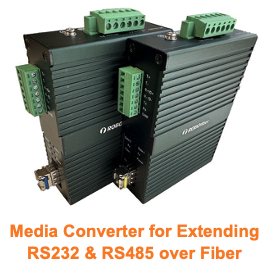 As discussed above, fiber optic cable also plays a growing role in smart lighting control systems. While the fibers themselves may transmit light, fiber networks are commonly used to connect lighting control panels, sensors, automation systems and building management systems (BMS).
Using fiber for control infrastructure provides:
- Immunity to electromagnetic interference (EMI)
- Long-distance transmission without signal loss
- High bandwidth for future expansion
- Increased cybersecurity through physical network isolation
This makes fiber ideal for control signal distribution in large buildings and between multiple structures.
>
Energy Efficiency and Maintenance Advantages
Fiber optic lighting systems are typically more energy efficient and easier to maintain than traditional distributed lighting. For example, a single fiber-based light source replaces many fixtures and bulb replacement occurs only in a single centralized location. Ultimately, maintenance benefits from safer access and fewer service points throughout the building.
Additionally, as stated above, fiber-based lighting systems use less energy and therefore emit less heat, placing less load on building HVAC systems. These advantages also help fiber-based systems provide a longer overall system life, resulting in fewer service calls, less overall maintenance and less hardware investment.
>
Aesthetics and Design Freedom
Because fiber optic strands are small, flexible and immune to moisture and corrosion, architects and building owners gain tremendous creative freedom when designing and deploying a fiber-based lighting system. Fiber delivers:
- Invisible light sources
- Minimal intrusion into architectural surfaces
- Precise placement of illumination points
- Custom color and intensity effects
This capability allows lighting to become an architectural element rather than just a functional requirement. Combine this with the advantages discussed above, and it’s understandable why fiber is rapidly gaining traction in smart structure lighting applications.
As buildings continue to evolve toward smarter, safer and more visually engaging environments, fiber optic lighting will play an increasingly central role in how spaces are illuminated and experienced. From dramatic architectural installations to critical safety lighting and hazardous-area applications, fiber optics offer a lighting solution that is efficient, reliable and future-ready.
Additional information on fiber optic cable, fiber-based network switches and media converters, fiber tools and testers and more is available on the Future Ready Solutions website.